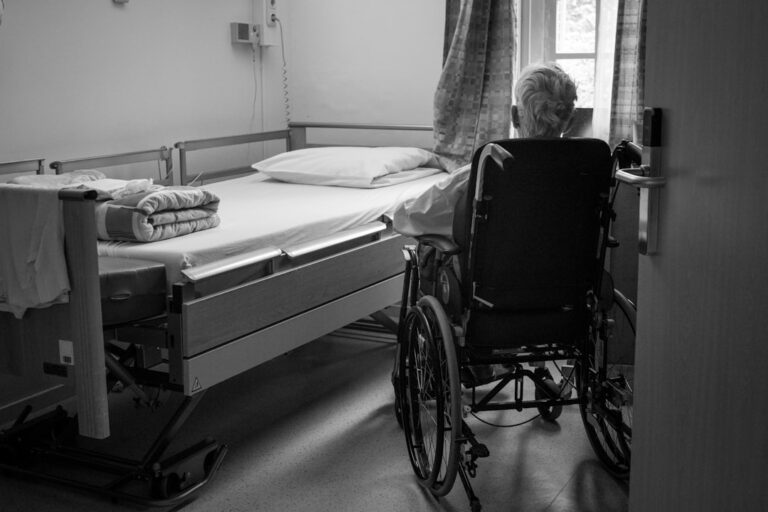
When Residents Can’t Speak Up: Detecting Distress in Memory Care Populations
Memory care residents often can't report harm. Detect distress through behavioral signals and daily conversational check-ins that respect dignity.
Abuse and neglect thrive between staff visits. Learn where visibility gaps occur and how daily check-ins extend oversight without adding staff.
Most elder abuse goes unreported. What underreporting means for senior living operators—and how continuous monitoring surfaces hidden harm.
Cognitive warning signs look different in memory care and assisted living. See where each setting misses early signals—and how to close the gaps.
Research links speech changes to early cognitive decline. What care teams should know about using conversational signals in daily operations.
Residents seem fine until they aren't. Spot subtle cognitive shifts before hospitalization with continuous observation between staff visits.
MCI hides between formal assessments. Learn why mild cognitive impairment goes undetected and how daily check-ins help operators act earlier.