The Gap Between “Seems Fine” and Crisis: Spotting Subtle Cognitive Shifts Before Hospitalization
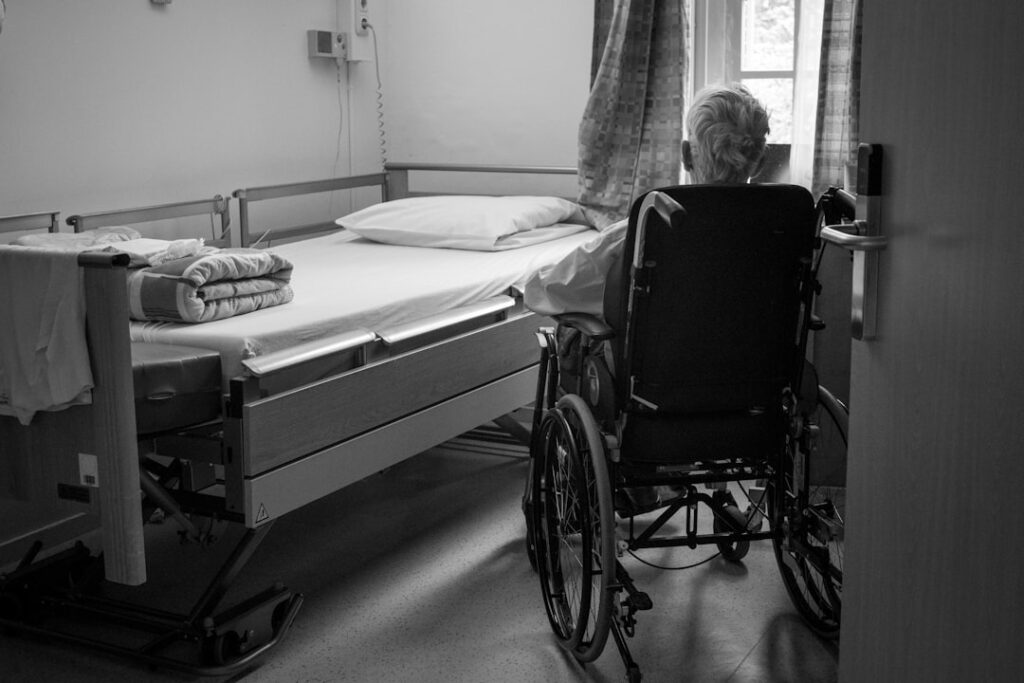
Every experienced operator knows the resident who “seems fine” until they are not. The call comes from the hospital. A family member arrives unexpectedly and sees a level of confusion they did not expect. Staff express genuine surprise: “They were doing okay yesterday.” That gap—between baseline stability and acute crisis—is one of the most expensive blind spots in senior care.
Why “Seems Fine” Is a Dangerous Standard
Frontline teams make rapid judgments under time pressure. A resident who is dressed, oriented enough to greet visitors, and cooperative during care is often recorded as stable. What that snapshot misses is trajectory. Cognitive and emotional decline rarely announce themselves with a single dramatic event. They accumulate in small deviations from a personal norm that only become obvious in retrospect.
Consider the resident who begins answering questions with more pauses, who repeats stories within the same conversation, or who shows subtle irritability when routines change. None of these require immediate clinical intervention on their own. Together over weeks, they often precede dehydration, medication mismanagement, or a fall that finally triggers escalation.
Subtle Shifts That Precede Hospitalization
Research and operational experience align on several early indicators: increased social withdrawal, difficulty following multi-step instructions, new confusion about time or place in otherwise high-functioning individuals, and changes in sleep or appetite without a clear medical cause. In assisted living, these signs frequently appear in dining rooms and activity spaces—not in the chart.
Memory care environments add complexity. Residents may appear calm because their world has been simplified, masking underlying progression. Without daily conversational baselines, staff cannot distinguish expected adaptation from meaningful change.
Closing the Gap With Continuous Observation
Periodic assessments will always be necessary. They are not sufficient alone. Operators need visibility between scheduled touchpoints—especially during evenings, weekends, and periods of short staffing when direct observation thins out.
Daily check-ins provide a lightweight way to capture how a resident is actually doing when no one is standing in the doorway. When those interactions are reviewed for patterns rather than isolated moments, care teams gain lead time. A nurse can adjust medications, initiate a physician consult, or engage family before an ambulance is involved.
Continuous monitoring in senior care should mean exactly this: not replacing clinical judgment, but ensuring that judgment is informed by more than the last room visit or the most recent family phone call.
Operational Practices That Help
Establish a simple escalation protocol for cognitive and behavioral drift—not only for acute events. Include conversational changes in shift handoff templates. Review trend data in weekly leadership meetings the same way you review census and staffing.
Communities that close the gap between “seems fine” and crisis protect residents, reduce hospital readmissions, and demonstrate to families that stability is actively managed—not assumed.
Partnering With Hospital Discharge Teams
Readmission penalties give hospitals incentive to partner with communities that detect decline early. Share your monitoring approach during referral discussions. Discharge planners remember operators who prevented the return trip—and those who did not.
Track hospital transfer rates before and after implementing daily check-ins. Quantified improvement strengthens both clinical credibility and referral marketing.